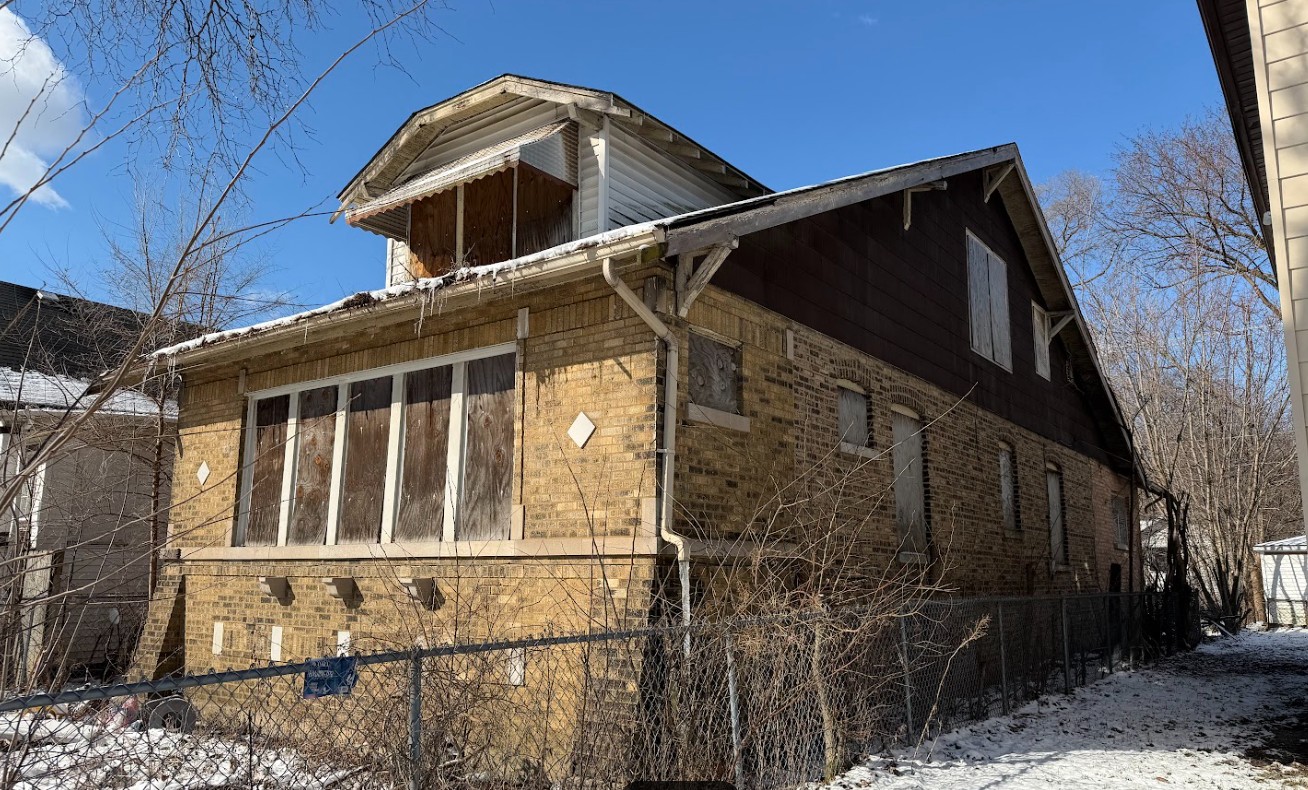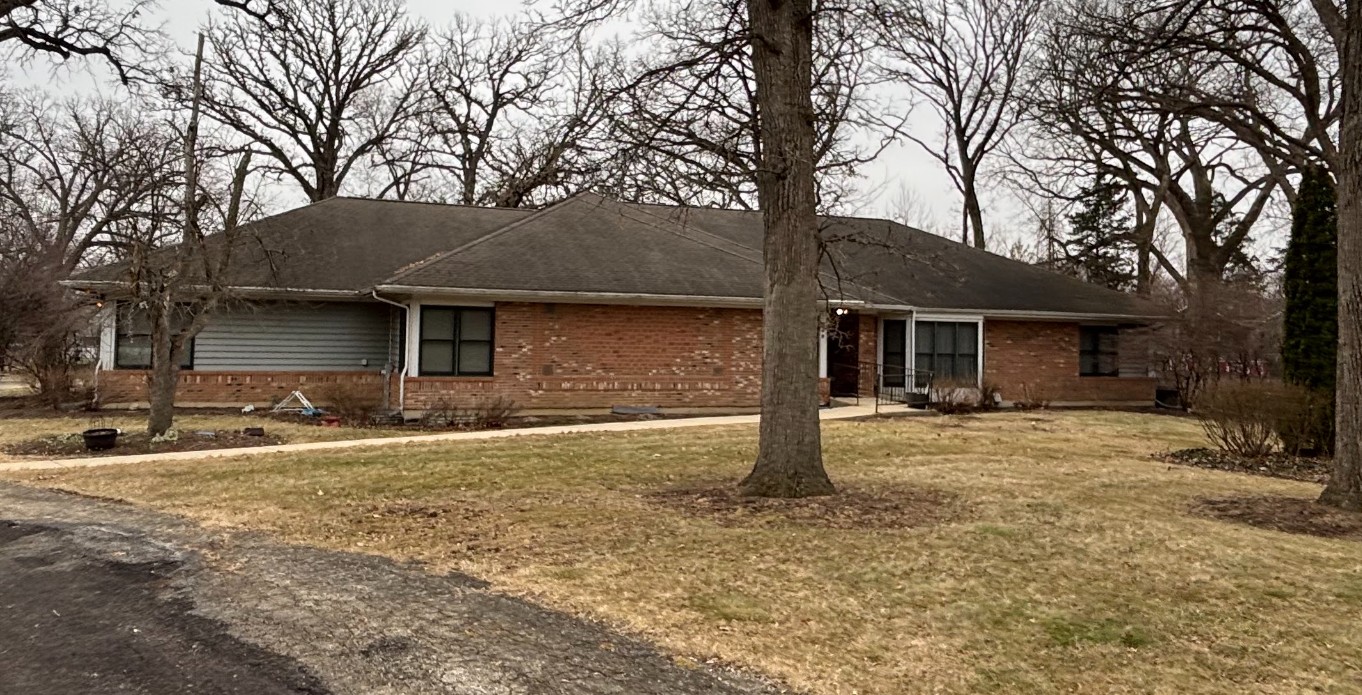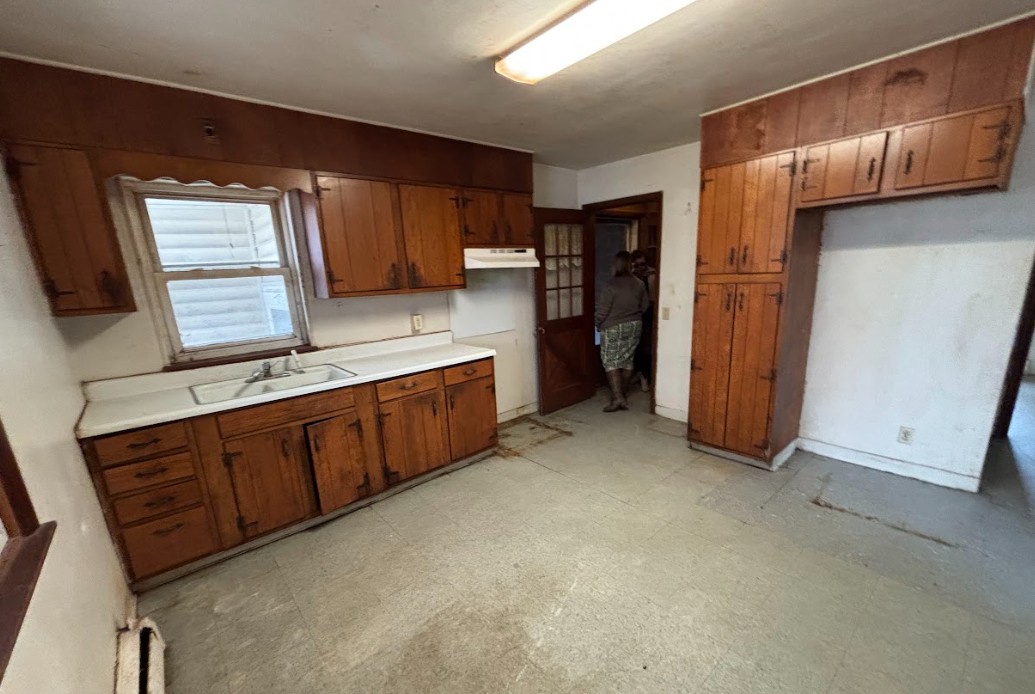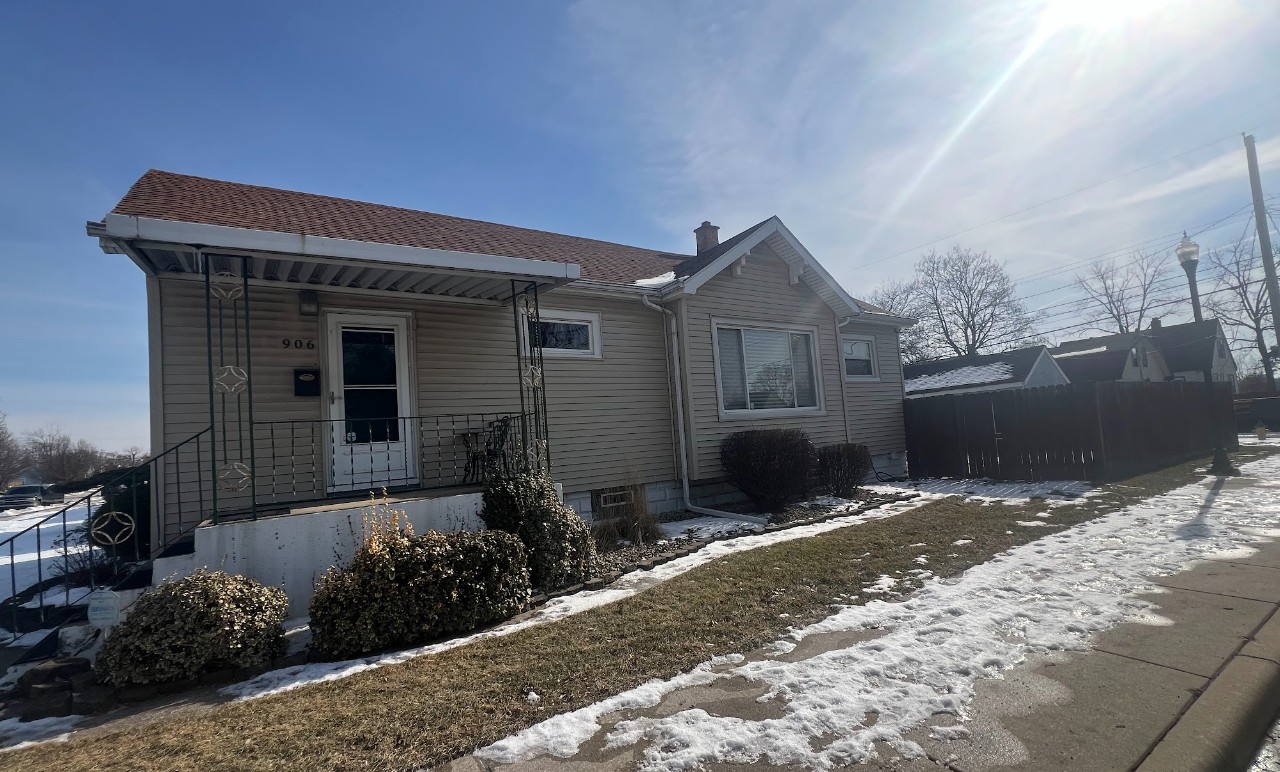
Yes a seller does pay closing costs in Chicago. You may be asking who pays closing costs and in most Chicago home sales the seller pays some if not the majority of the closing costs. The exact amount really depends on how you sell your home, either with an agent listing vs. direct sale to a cash home buyer. It also comes down to what your contract says, how you structure the terms of the agreement or contract, and whether there are title issues, liens, or buyer credits involved.
If you are trying to figure out what you will actually walk away with after a home sale closing, this article by Sell My House Fast Chicago will help you understand the ins and outs. We will break down what “closing costs” usually include in Chicago real estate transactions and what sellers typically pay. Lastly we will discuss what buyers typically pay, and how to avoid last minute surprises.
What Closing Costs Mean for Chicago Sellers
Closing costs are the fees and payoffs needed to legally transfer ownership of the real estate or house from you to the buyer of the house. Some of these costs are “hard” costs that almost always show up, like title work and transfer taxes. Others are usually negotiable terms or costs, like credits to the buyer or who pays certain fees.
The easiest way to think about it is this: your sale price is the headline number, but your closing statement is what matters. Closing costs are the line items that reduce your net proceeds.
What Sellers Typically Pay at Closing in Chicago
Every deal is different, but most sellers in Chicago see some combination of the items below.
- Real estate agent commissions (if you list with an agent).
- City of Chicago transfer tax portion if the property is inside city limits.
- State of Illinois transfer tax and Cook County transfer tax in many transactions.
- Owner’s title insurance policy for the buyer (common in Illinois), plus title-related fees.
- Attorney fee for the seller (Illinois is an attorney state in practice for many closings).
- Mortgage payoff, plus any lender recording or release fees.
- Prorated property taxes, and sometimes a “tax proration cushion” depending on the contract.
- Any liens, judgments, or unpaid bills that must be cleared to deliver clean title.
- Seller credits you agree to, like repair credits or buyer closing cost credits.
This list is the stuff that usually makes sellers say, “Wait, I owe that too.” It is normal, but it is better to see it coming early.
What Buyers Typically Pay at Closing in Chicago
Buyers also have closing costs, especially if they are getting a mortgage. Buyers commonly pay lender-related fees, appraisal, and many loan processing items. Buyers may also pay some title charges depending on the contract, plus recording fees and their share of transfer taxes when applicable.
One reason deals get tense is that both sides are trying to manage their own totals. That is why contracts sometimes include credits or cost-sharing to keep a deal together.
How Much Are Seller Closing Costs in Chicago?
A realistic planning range for seller closing costs in Chicago is often around 2 percent to 5 percent of the sale price for “non-commission” items, plus commissions if you are using agents. The total can be higher if you include commission, large buyer credits, big tax prorations, or significant liens that must be paid off at closing.
The best way to get a clear number is to request a seller net sheet or a preliminary settlement statement estimate based on your expected price, loan balance, and tax bill. If you are looking to sell my house fast Chicago then the best route to go would be to sell to a cash home buyer who typically pays all of the closing costs. Cash home buyers like Sell My House Fast Chicago typically will pay the closing costs on inherited homes, probate homes, foreclosed homes, or typically any home you are looking to sell fast.
The Chicago Costs That Surprise Sellers Most
Chicago closings have a few line items that catch people off guard.
Transfer taxes inside Chicago city limits
If your home is within the City of Chicago, transfer taxes can add up quickly. The city transfer tax is commonly split between buyer and seller, but the seller still has a portion. If you are in a suburb, the city portion may not apply, but other local stamps or municipal requirements can still show up depending on location.
If you are not sure whether your property is considered “Chicago” for transfer tax purposes, the title company can confirm it fast.
Property tax prorations
Illinois property taxes are one of the biggest seller costs because of how prorations work at closing. Sellers often credit the buyer for the seller’s portion of taxes that will be paid later. Depending on timing and contract terms, this can be a large debit on your settlement statement even if you have been paying responsibly.
This is one of the main reasons sellers feel like the closing statement looks different than expected.
Title issues, liens, and payoffs
If you have a lien, judgment, old contractor balance, unpaid HOA dues, or a title problem from years ago, it usually must be addressed before the title company can insure the sale. Sometimes it is simple and gets paid from proceeds. Sometimes it takes time and paperwork.
The earlier you find out, the fewer delays you deal with.
Can Sellers Negotiate Closing Costs in Chicago?
Yes, some parts are negotiable. Some are not.
You can often negotiate items like buyer credits, who pays certain fees, and how to handle repairs. You generally cannot negotiate away transfer taxes or required title steps, but you can choose service providers in some situations, and you can structure the deal in a way that reduces friction.
In a hot market, sellers often pay fewer incentives. In a slower market, sellers sometimes offer credits to keep buyers moving forward. The right approach depends on your price point, condition, and buyer pool.
Ways to Reduce Seller Closing Costs in Chicago
There is no magic trick, but these moves help sellers keep more of their proceeds.
First, price and market the property honestly. When homes are priced like they are fully renovated but they need work, buyers tend to push harder for credits later. Second, clear known title issues early. Third, avoid vague repair language and instead negotiate credits clearly in writing.
Also, if your goal is simplicity, compare the net proceeds and timeline of a traditional listing versus a direct sale. Many sellers focus only on price and forget how costs, repairs, and delays can change the final number.
r.
| Strategy | Description | Potential Benefits |
|---|---|---|
| Negotiation Tactics | Engage in discussions with the buyer to share or reduce closing costs to maximize net proceeds. | Reduces the seller’s financial burden and potentially increases final sale profits. |
| Financial Service Selection | Carefully choose cost-effective title and escrow services to minimize additional fees. | Lowers the fees associated with closing services, improving overall savings. |
| Engaging Professionals | Hire experienced professionals for guidance in navigating the transaction process efficiently. | Improves deal terms and reduces unnecessary expenses through expert advice. |
| Pre-Inspection and Repair | Minimizes last-minute repair requests from buyers, resulting in smoother transactions. | Minimizes last-minute repair requests from buyers, resulting in smoother transactions. |
| Market Timing | Sell during favorable market conditions to leverage higher offers and better terms. | Potentially yields higher offers, allowing sellers to negotiate better terms, including closing costs. |
The table above outlines strategic approaches Chicago house sellers can use to effectively manage and reduce closing costs in a competitive Chicago market.
What If You Want a Sale With Fewer Closing Costs and Fewer Surprises?
If you sell to a cash buyer who buys homes as-is, many of the typical friction points can be reduced, like lender requirements, long inspection periods, and repair negotiations. The exact breakdown still depends on the offer and contract, but many direct buyers structure deals to make the seller’s net more predictable.
If you want to sanity-check your numbers, you can request a simple net estimate based on your address, rough condition, and loan balance. A good estimate should be transparent and easy to understand.
FAQs About Seller Closing Costs in Chicago
Do sellers pay closing costs in Chicago?
Yes. Sellers usually pay several closing costs, and often commission if they list with an agent.
What is the biggest closing cost for sellers in Chicago?
Often it is agent commission when using agents, followed by property tax prorations and transfer taxes depending on location.
Are closing costs in Chicago always 2 percent to 5 percent?
That range is common for many non-commission seller costs, but totals vary based on taxes, credits, liens, and commission.
Can a seller ask the buyer to pay some costs?
Sometimes, yes. It depends on the market, the offer, and what you negotiate in the contract.
Will a lien increase my closing costs?
Usually yes, because the lien often must be paid or otherwise cleared before the sale can close cleanly.
If you want, paste your rough details (Chicago neighborhood or suburb, estimated sale price, and whether you have a mortgage), and I will write a quick seller closing cost estimate section you can add to this post that still reads natural and human.