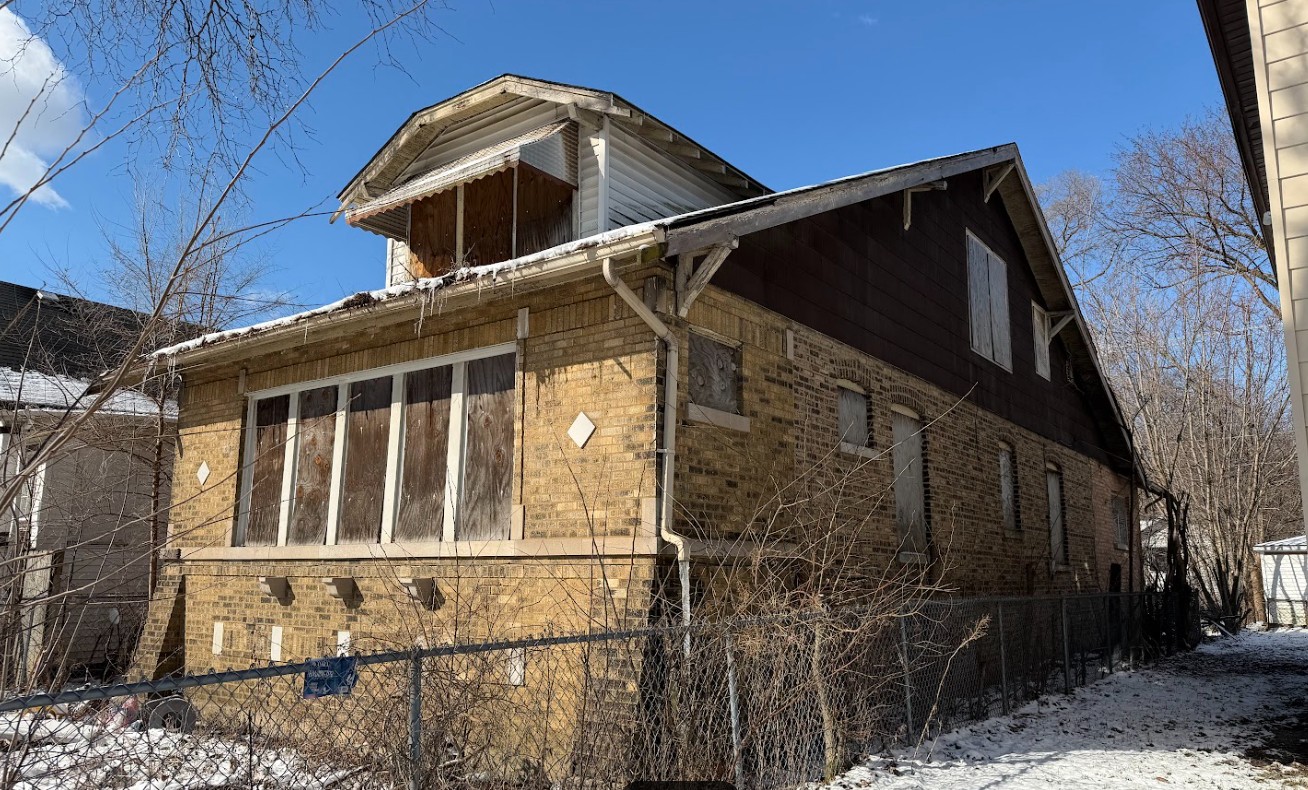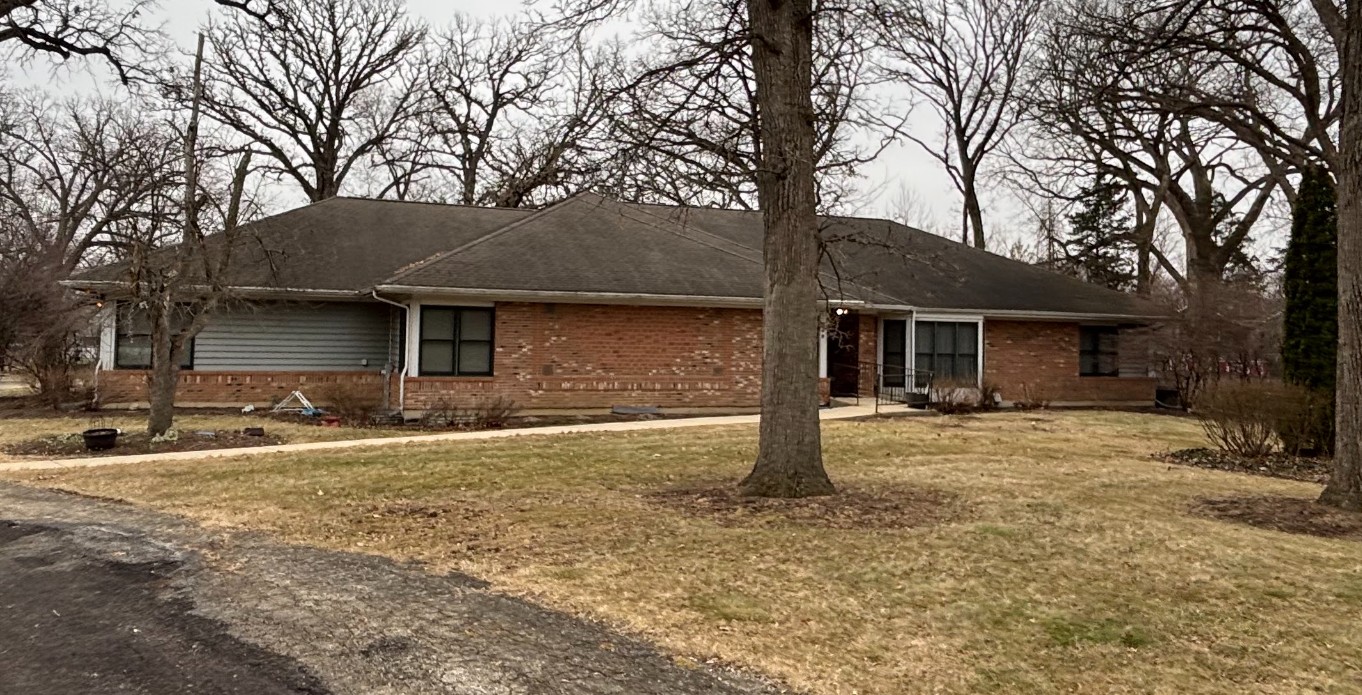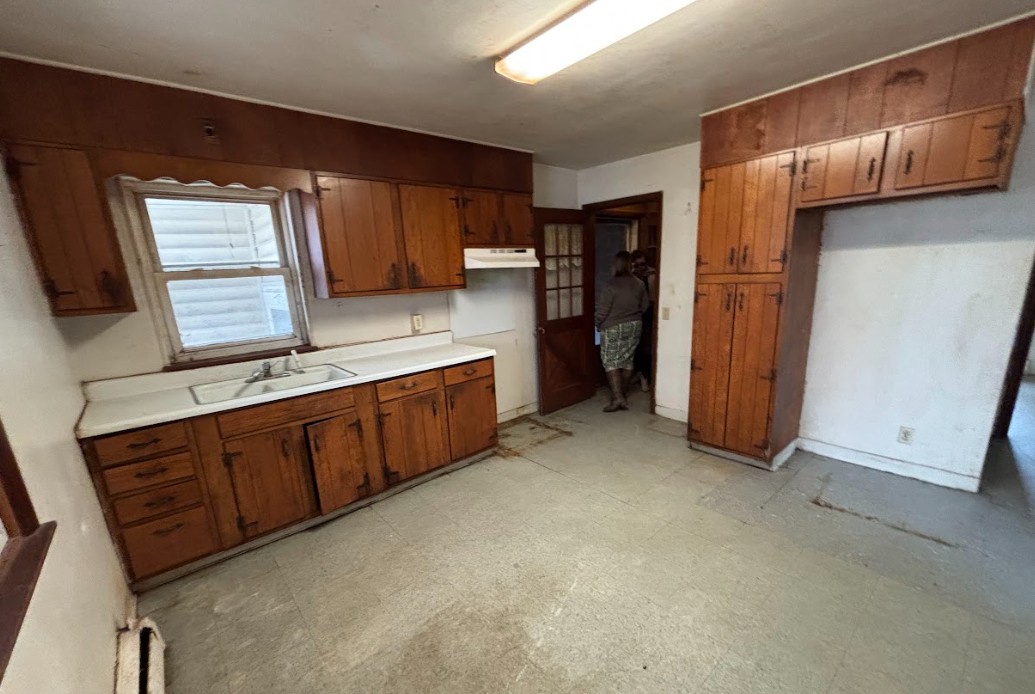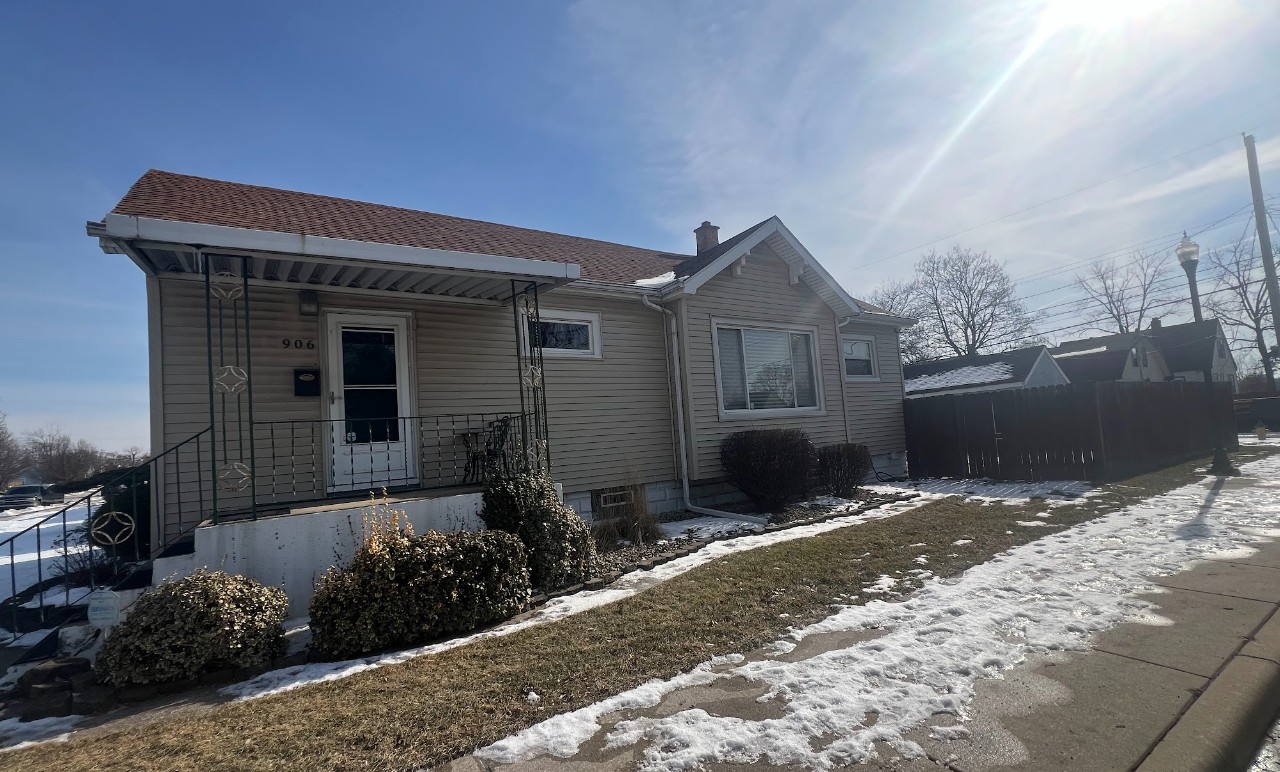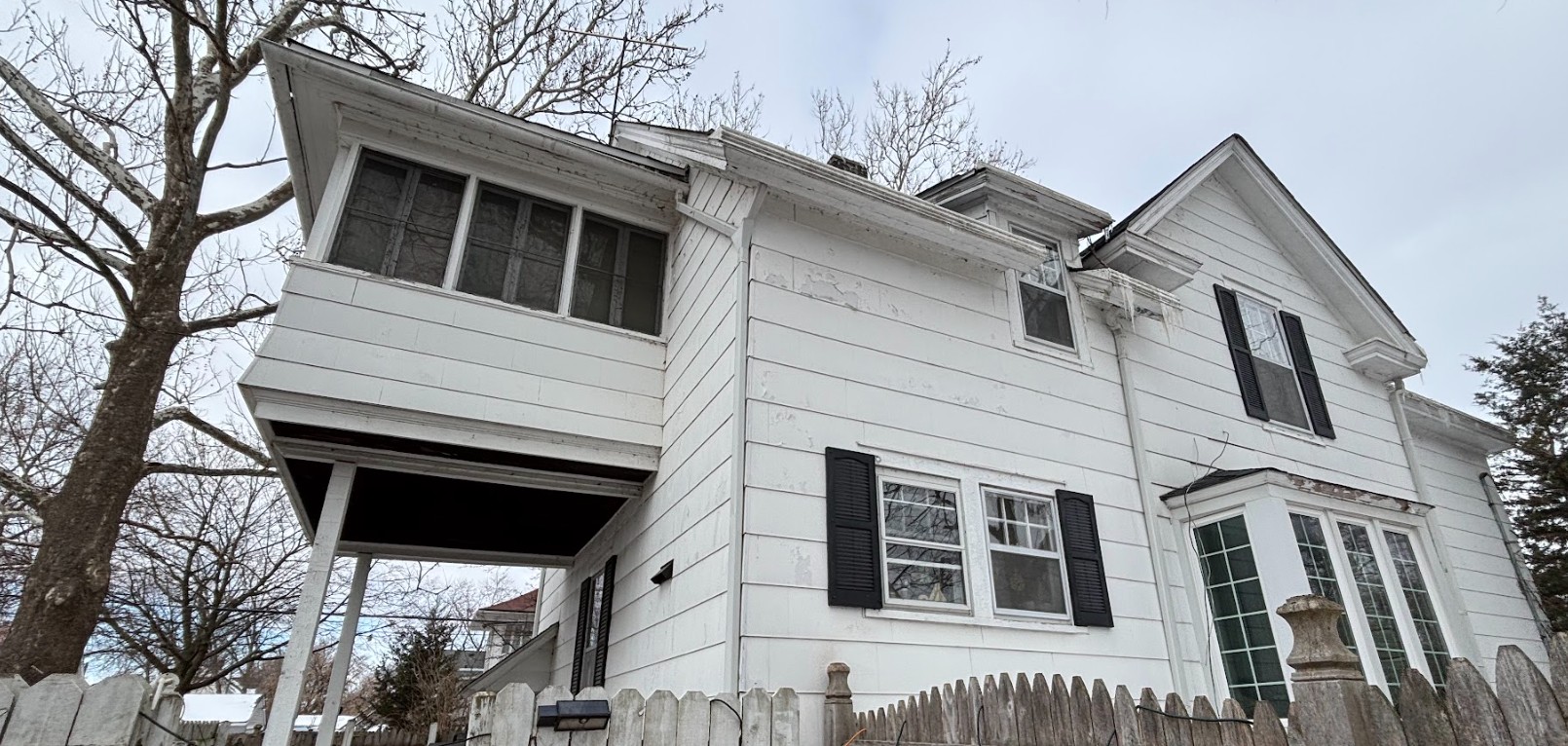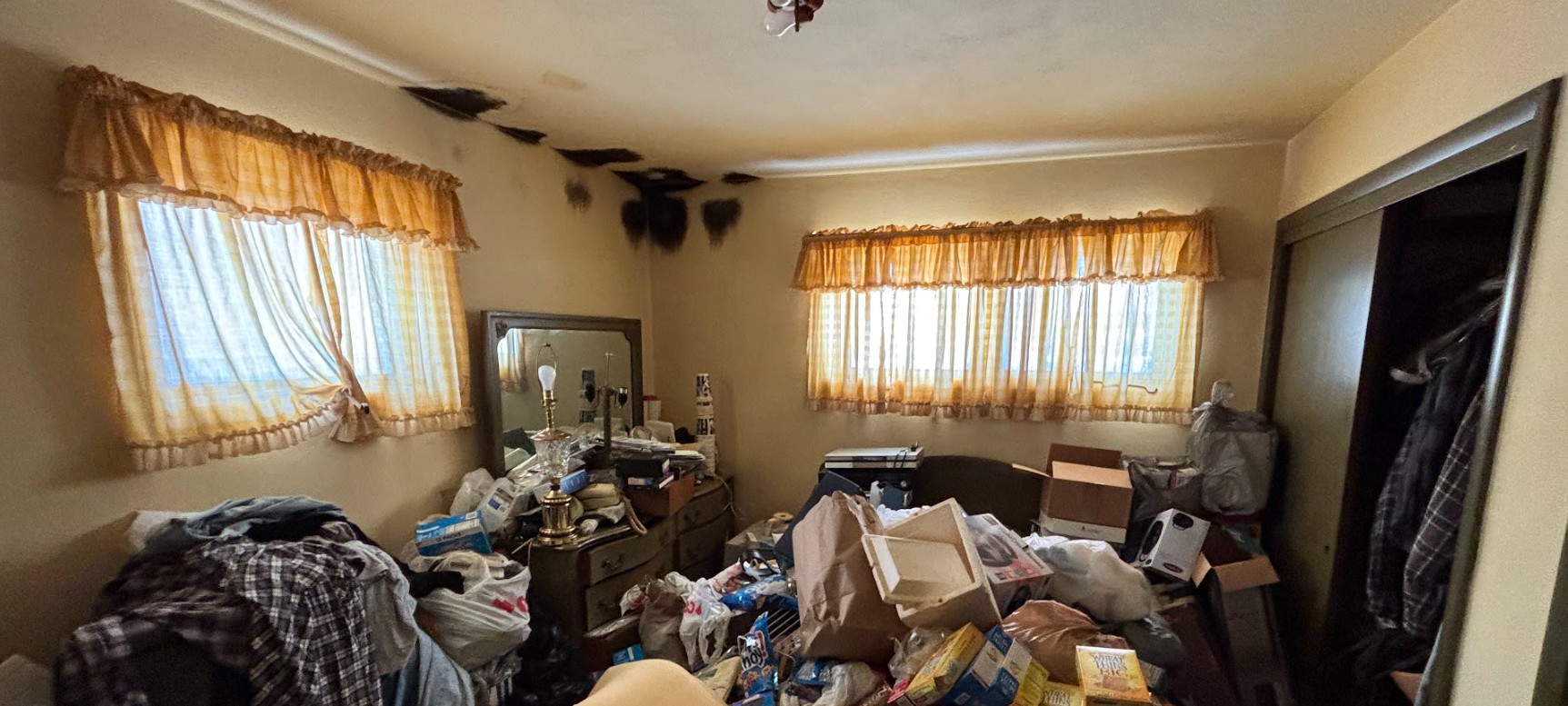
If you are asking if you can sell a house or property that is condemned in Chicago, your answer is yes. Yes, you can sell a condemned house in Chicago and at Sell Your House Fast Chicago we will buy your condemned home. It happens more often than people think. The catch is that a condemned property usually comes with extra paperwork, safety rules, and sometimes active city cases that can scare off traditional buyers and lenders. If you handle the details the right way, you can still sell my house “as-is,” and even if the house is vacant, unsafe, or under an order to vacate.
Below is what “condemned” usually means in Chicago, what can stop a sale, and the cleanest options for getting it sold without making your life harder.
What “Condemned” Usually Means in Chicago
In everyday conversation, “condemned” can mean a few different things:
An order to vacate or unsafe conditions
A property may be posted, restricted, or ordered vacated because it is unsafe to occupy. Chicago’s building enforcement process can involve inspections, notices, hearings, and escalating actions if conditions are not corrected.
A hazardous vacant building status
Chicago’s municipal code defines “hazardous vacant building” and ties it to buildings that are vacant and ordered closed, vacated, or shut down under specific code sections or court order.
A property caught in the vacant building enforcement system
If a building is vacant and in violation, the City can pursue enforcement against owners and responsible parties. This can lead to court processes and required corrective actions.
Bottom line. “Condemned” is usually a condition and enforcement status, not a magical label that makes selling illegal. If you are thinking about selling your condemned Chicago house then contact us to learn how our house buying process works.
Can You Sell It “As-Is” If It’s Condemned?
In many cases, yes. But “as-is” does not mean “no responsibilities.”
You still have to disclose what you know
Illinois requires sellers of most 1 to 4 unit residential properties to complete the Residential Real Property Disclosure Report and disclose known material defects. That obligation can matter even more when a property has serious safety issues, open violations, or a history of water, structural, or electrical problems per the Illinois General Assembly.
The buyer still needs to understand what they are buying
Even an investor buyer is going to ask questions like: Is it legally occupiable right now. Are there open cases. Are there fines. Is there a demolition risk. Are utilities off. Is the property secure.
The easiest way to keep real estate deals together is to get your questions answered upfront. Not after someone is under contract and angry about the real estate deal.
What Can Actually Block a Sale
Most condemned-house sales fall apart for a few practical reasons. None of them are impossible. They just need to be handled.
Open city violations and hearings
When it comes to open city violations and hearings, Chicago has a defined building code violation enforcement process. If your condemned property is already in the Chicago code violation system, buyers will want clarity on what is open, what deadlines exist, and what it takes to comply.
Vacant building requirements
Vacant buildings in Chicago can trigger additional obligations and enforcement actions. If the property is vacant and not properly secured, then you can get pulled deeper into the city process and city violations.
Title issues, liens, or municipal costs
Condemned houses sometimes come with unpaid water bills, municipal liens, or legal costs tied to enforcement. Title companies will flag this. Buyers will want it addressed in the closing plan.
Safety and access problems
If the condemned Chicago house is unsafe to enter then many retail buyers will not touch it. Inspectors may refuse entry. Appraisers may not complete their work. Lenders hate that.
Your Best Options to Sell a Condemned House in Chicago
There is no single “best” path. It depends on your timeline, cash situation, and how serious the issues are.
Option 1: Fix the minimum, then sell normally
This is not a full rehab. It is “make it safe enough to sell with fewer headaches.”
Examples: securing the building, fixing the most obvious hazards, restoring basic utilities where possible, addressing an active leak, cleaning out trash, and preventing further damage.
This can open up more buyer types, including financed buyers, but it can take time and money.
Option 2: Sell to an investor who wants a project
If the condemned house has too many issues, then you might want to consider selling to an investor. A cash home buyer or investor might be interested in the home if it is structurally sound enough to renovate. Even if it has major systems issues like furnace and ac, code problems, or it needs significant work.
A Cash Home Buyer or Investor buyers are used to:
- code violations
- permit questions
- older electrical and plumbing
- foundation and masonry work
- mold and water intrusion remediation
- boarded windows and vacant property risks
You will still want the sale structured with clear disclosures and a realistic price.
Option 3: Sell for land value or as a teardown
Sometimes the building is not worth saving. If the numbers do not work, buyers may evaluate it as a teardown.
This can happen when the structure is severely damaged, the layout is beyond functional, or the cost to bring it back is too high. In that case, the “buyer” might be more interested in the lot than the house.
Option 4: Sell directly to a local as-is buyer
If you want speed and fewer moving parts, an as-is sale to a local buyer can make sense, especially if the property is vacant, you are out of state, or you just want the problem off your plate.
The main thing to watch is transparency. A real buyer should be able to explain how they handle open violations, safety issues, and closing logistics.
What You Should Gather Before You Talk to Buyers
If you want better offers and fewer surprises, collect these items first. This also helps you avoid the exhausting cycle of “contract, panic, cancel, repeat.”
- Any posted notices, orders, or letters from the City.
- A list of known issues (roof, foundation, plumbing, electrical, fire damage, water damage).
- Utility status (on or off, last active date if you know it).
- Whether it is occupied, vacant, or has unauthorized occupants.
- Any recent contractor quotes or inspection reports.
- A sense of your timeline and what you can realistically fix, if anything.
That is one list on purpose. It is the stuff that actually moves the sale forward.
How to Handle City Involvement Without Getting Overwhelmed
If your property is already on the City’s radar, do not ignore it and hope selling makes it go away. Buyers will find it. Title will find it. The City already knows.
A better approach is to understand where you are in the enforcement process and disclose it clearly. Chicago’s vacant buildings and enforcement pages outline how the City proceeds when violations exist and when properties are vacant.
Also, if you are dealing with a problematic vacant property situation and need help understanding reporting or the broader process, Chicago’s 311 resources and vacant building system exist for a reason. (CHI311)
You do not have to become a code expert overnight. You just need enough clarity to set expectations for buyers.
Pricing a Condemned House in Chicago Without Guessing
This is where people get stuck.
Retail pricing usually does not work when the house is not safely habitable or has serious open issues. Most buyers will price it based on:
Repair cost plus risk
Not just the materials and labor. Also time, permits, surprises behind walls, and holding costs.
Market value after repairs
Investors back into a number that leaves room for profit and uncertainty.
The buyer’s plan
A builder pricing it as a teardown will see it differently than an investor renovating it.
If you want the best outcome, you need to pick a buyer lane first, then price for that lane. Trying to price it for a retail family while marketing it to investors creates confusion and lowball offers.
The simple truth
Can you sell a condemned house in Chicago. Yes.
The better question is. How do you sell it with the fewest delays and the least stress.
If you get clear on the property’s status, disclose what you know, and target the right buyer type, you can move forward.
Ready for a simple next step?
If you’re looking to sell your house fast in Chicago, call Sell My House Fast Chicago and tell us what’s going on with the property. We’ll walk through your timeline and the condition of the home, and help you figure out the cleanest way to move forward.