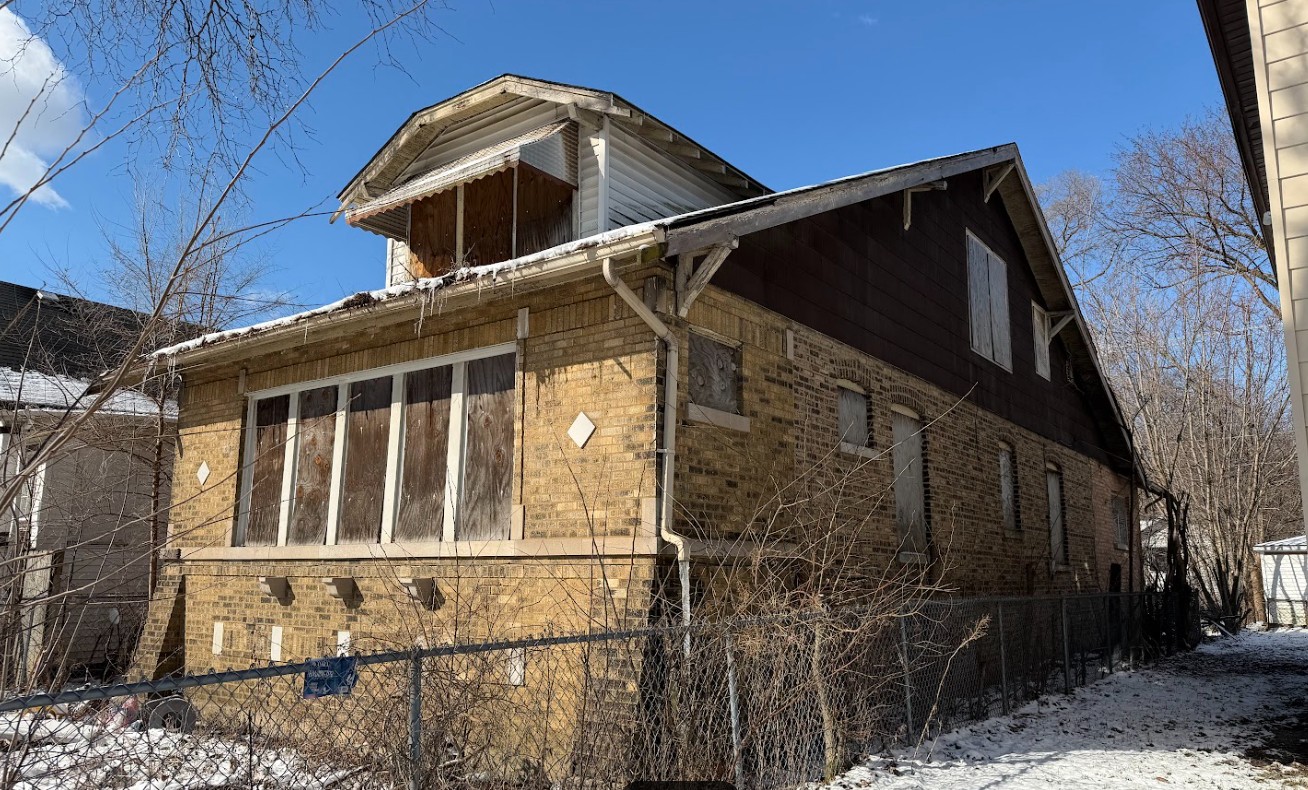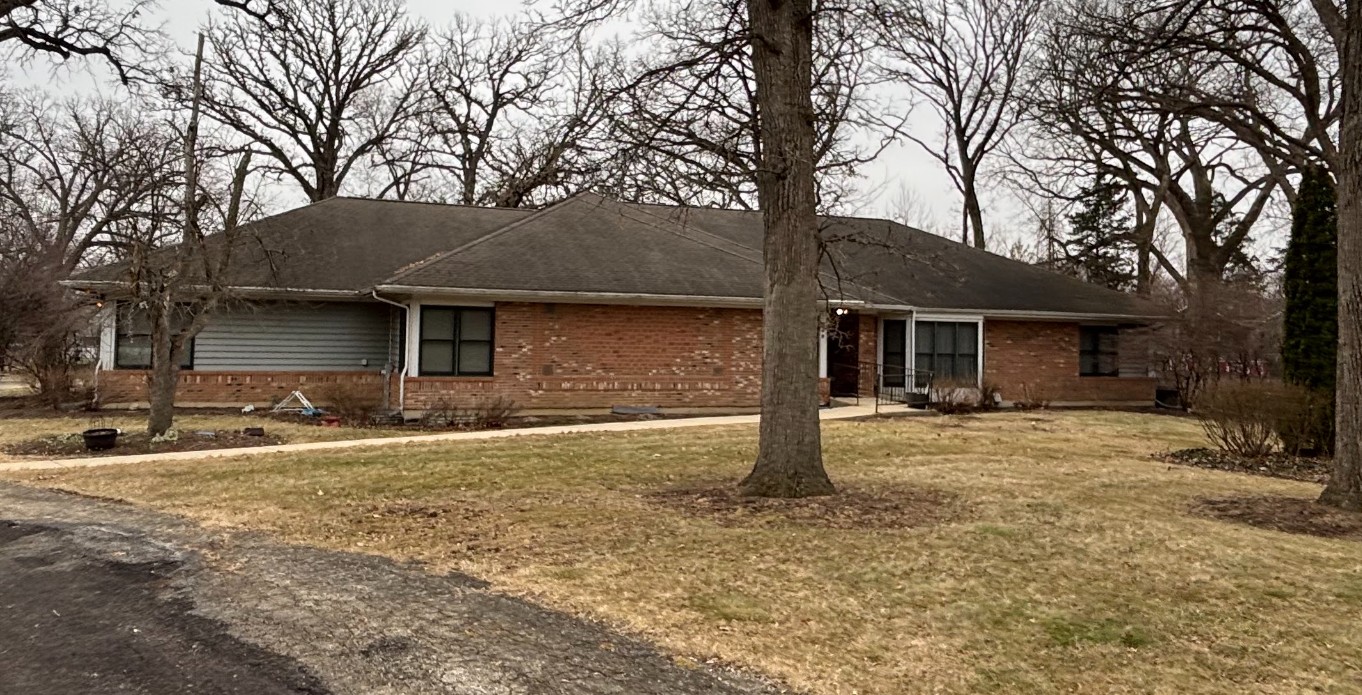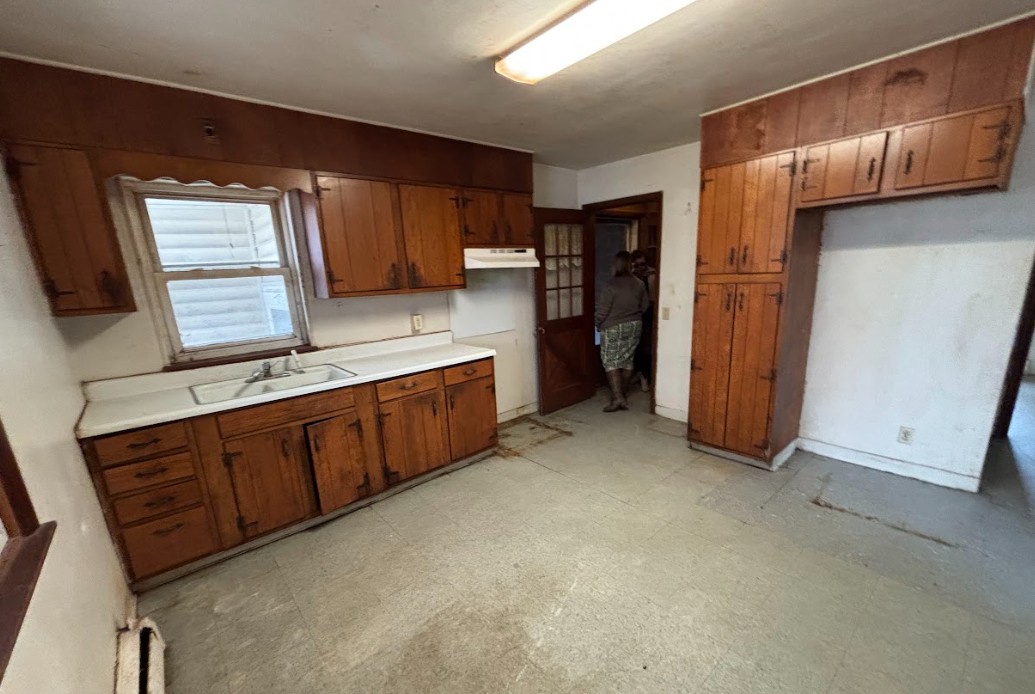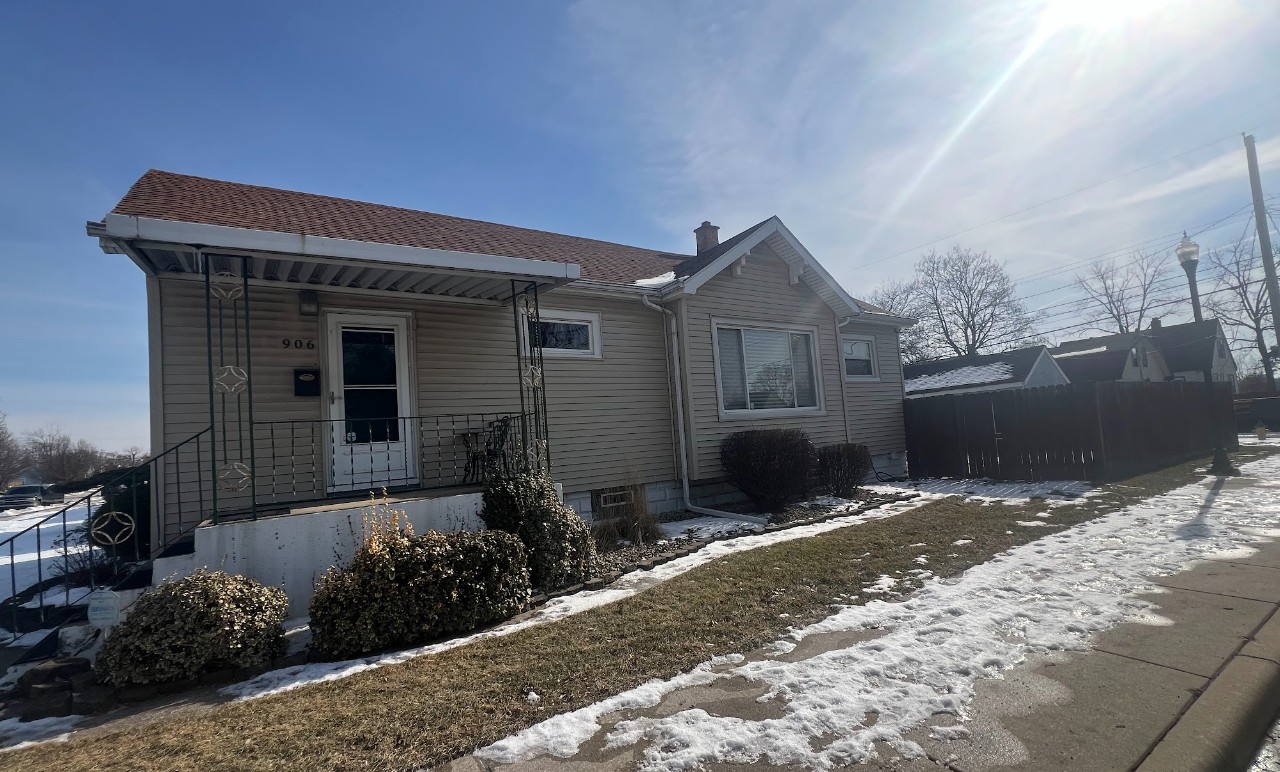
Yes. You can sell a house that failed inspection in Chicago, even if a buyer backed out or your deal fell apart the minute the report came in. A “failed inspection” is not a legal label, it is usually just a buyer deciding the issues are too big, too expensive, or too risky. Your job now is to reset the plan, price it correctly, disclose what you actually know, and choose the sale path that matches your timeline and tolerance for repairs.
This guide focuses on information regarding Selling a House That Failed Inspection in Chicago, and we dive into real situations: you wanted to sell, the inspection blew it up, and now you need a clean next step.
Why “Failed Inspection” Happens in Chicago
Home inspections are opinionated by design. Two inspectors can look at the same basement wall and write two very different stories. Still, deals usually fall apart for a few predictable reasons:
The repair list gets scary fast
Buyers see “roof near end of life,” “active leak,” “foundation movement,” “mold-like growth,” or “unsafe electrical,” and their brain jumps to worst case. Sometimes they are right. Sometimes they are just spooked.
The buyer’s loan or insurance will not play along
Even if the buyer is fine with the issues, lenders and insurers might not be. Certain property conditions can trigger underwriting problems, especially with FHA or VA style guidelines. Then the buyer has to walk, or the deal stalls.
The negotiation turns into a fight
In Chicagoland, buyers typically have a short window to inspect and respond, and sellers respond back. That timeline pressure can make everyone cranky. Inspection periods are often about 5 to 7 days locally, give or take, depending on the contract.
Step One: Decide What “Selling” Means for You Now
Before you do anything else, answer this honestly:
Do you want top dollar, or do you want certainty?
You can chase the highest price and accept that you may do repairs, offer credits, and deal with more showings. Or you can aim for a simpler exit and accept a lower price in exchange for speed and fewer headaches.
Neither option is “right.” They are just different strategies.
Your Best Options to Sell a House That Failed Inspection in Chicago
Option 1: Fix the few items that keep killing deals
This is the middle-of-the-road path. You are not doing a full rehab. You are fixing the items that tend to blow up financing, safety concerns, and buyer fear.
Think: active roof leaks, major plumbing leaks, unsafe electrical, missing smoke detectors, broken furnace in winter, or obvious mold moisture problems.
If you do repairs, keep receipts and permits where needed, and take photos. Buyers relax when you show proof, not promises.
Option 2: Sell as-is, but price it like you mean it
“As-is” does not magically stop buyers from inspecting. It usually means you are not agreeing to fix things after the inspection. You can still sell my house as-is and still get a solid buyer, but only if the price matches the condition.
A common mistake is listing at a “perfect house” number and hoping the as-is line scares buyers into not asking questions. It usually does the opposite.
Option 3: Offer a credit instead of repairs
Some buyers would rather control the work themselves. A credit can keep a deal alive if the buyer is handy, has a contractor lined up, or just wants to move forward.
Credits also help when the repair is hard to schedule quickly, like a roof replacement during a busy season. The catch is that lender rules and closing logistics can limit how credits work, so your attorney and agent matter here.
Option 4: Target buyers who expect problems
Not every buyer is shopping for move-in ready. Investors, builders, and experienced buyers are often fine with older systems, dated kitchens, and cosmetic wear. They just want the price to reflect it, and they want a clean transaction.
Option 5: Sell to a reputable local cash buyer
If the inspection issues are big, or you are done dealing with the back-and-forth, a cash sale can make sense. Cash buyers usually skip the traditional inspection contingency dance, and they can close faster, because there is no lender timetable.
If you go this route in Chicago, work with a buyer that is transparent about how they price repairs and that uses a real closing process with title and paperwork.
What You Must Disclose in Illinois After a Failed Inspection
This part is important. In Illinois, sellers have disclosure obligations about known material defects. The Illinois Residential Real Property Disclosure Act is very clear that the disclosure report is about providing buyers information on material defects and that completing it creates legal obligations.
Do you have to hand over the inspection report?
Not always. But if the report revealed a material defect you now have actual knowledge of, you cannot pretend you do not know it. Many sellers choose to share the report to avoid future blowups and to show they are not hiding the ball.
If you are unsure what you must disclose in your exact scenario, talk to a Chicago real estate attorney. It is a small cost compared to a lawsuit later.
A simple game plan that usually works
Here is the cleanest way to move forward without spiraling.
- Get clear on the top 3 deal-killers from the report (not the 47 small notes).
- Decide whether you will fix anything, credit anything, or do a strict as-is sale.
- Adjust the price and listing notes so expectations match reality.
- Disclose known material defects properly, and keep documentation.
- Pick your buyer lane: retail buyers, investor buyers, or a cash buyer, and market directly to that lane.
That is it. No fancy tricks. Just alignment.
What to Expect With Timelines in Chicago
Many Illinois contracts include an attorney review period and inspection timing that move fast. Some sources note contracts commonly provide about five business days for attorney review and inspection.
That speed is why “failed inspection” feels sudden here. One week you think you are sold, and the next week you are back on the market.
If you re-list, your best protection is to pre-answer the obvious questions so the next buyer is not surprised.
Common Inspection Issues in Chicago Homes
Chicago properties have patterns. These are the ones that pop up a lot:
Basements and water
Older homes, heavy rains, and aging drainage systems make seepage and flooding a frequent concern.
Masonry and tuckpointing
Brick and mortar issues show up constantly on inspections. Buyers hear “structural,” even when it is really maintenance.
Electrical panels and old wiring
Knob-and-tube, outdated panels, and DIY wiring can scare buyers fast.
Roofs, flashing, and gutters
Even a “small” leak reads like a big risk to a buyer who already feels stretched.
HVAC age
Furnace and AC age becomes a pricing debate, even if the system still runs fine.
When it makes sense to skip the re-list and sell for cash
A cash sale is not for everyone, but it can be the right move when:
- The home needs major repairs you cannot fund.
- You are dealing with a deadline (estate, divorce, job move, foreclosure pressure).
- Tenants, clutter, or deferred maintenance make showings miserable.
- You already tried the retail route and the inspection keeps sinking deals.
If you want a local Chicago option, Sell My House Fast Chicago is a Chicago-based cash home buyer that purchases properties as-is and can close on your timeline. You can start with a quick conversation and see if it fits.
Bottom line
You can absolutely Sell a House That Failed Inspection in Chicago. The key is not to “hope for a better buyer.” The key is to choose a strategy that matches the condition of the property and your goals, then set expectations upfront so the next deal does not repeat the same pain. If you need to sell a house that failed an inspection in Chicago fast then give us a call and we can discuss options with you.